Focus laboratory spend
Narrow broad solvent and mixture choices into a purposeful experimental program tied to a development decision.

SOLVEX | FOR PROCESS CHEMISTRY, CMC & DEVELOPMENT LEADERS
Focus development on solvent systems that fit the molecule, the process and the recovery objective. SolveX brings multi-solvent choices, solvent exchange, antisolvent routes and early crystallization evidence into one process-specific assessment.
THE BUSINESS CASE
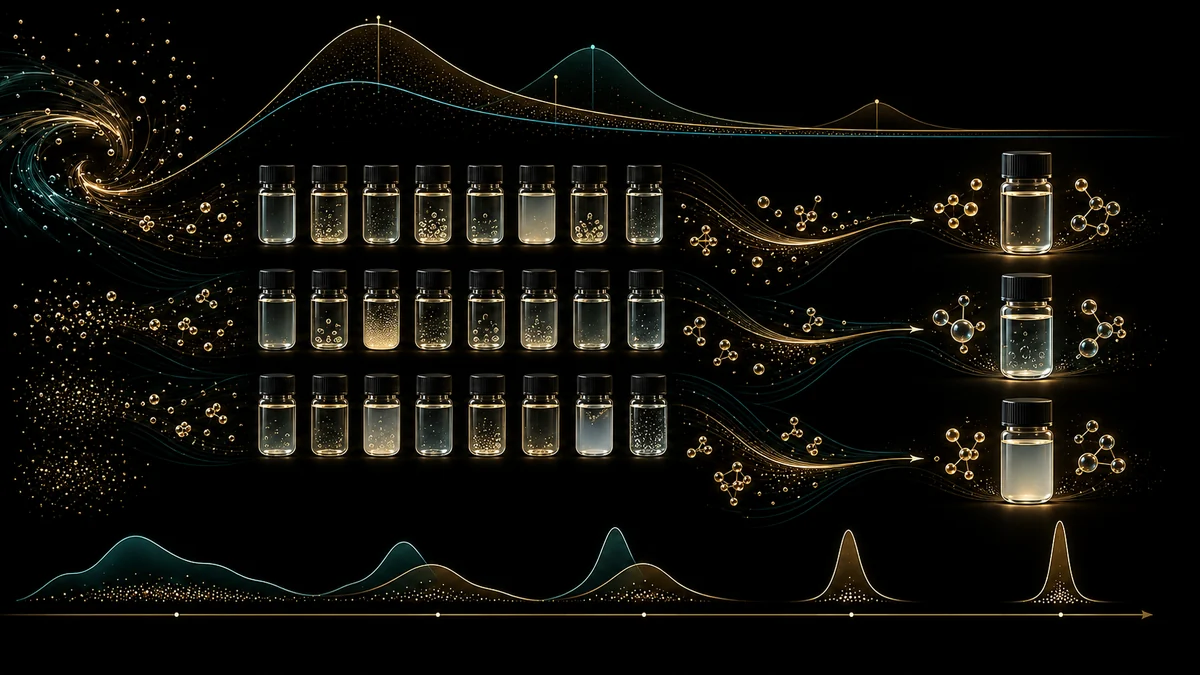
A solvent decision can shape the experiments, recovery steps and process changes that follow. SolveX helps teams examine those implications earlier, so a promising dissolution result is considered alongside the practical route to the intended material.
Narrow broad solvent and mixture choices into a purposeful experimental program tied to a development decision.
Investigate exchange requirements, strong solvent interactions and potential solvate concerns before committing to a route.
Bring yield targets, preliminary crystallization behavior and downstream isolation needs into the solvent discussion.

START WITH THE PROCESS
SolveX is ADETERA’s tailored solvent-screening and process-development capability for small molecules. Solubility screening examines how much of a compound dissolves at a given temperature and composition. Solvent screening uses this evidence to compare candidate liquids and mixtures against the full process task. The output is a reasoned shortlist and evidence plan that connects dissolution to transfer, concentration and recovery.
For a small molecule, useful solvent selection starts with the whole development question. A system suited to dissolution may need to support a later change in composition, a concentration step or a transition into crystallization. SolveX considers individual solvents and solvent blends—mixed-solvent systems with two or more components—in relation to that sequence. Changing the proportions can affect solubility, dissolution behavior and later recovery, making composition part of the development decision.
The assessment can span distillation and solvent-exchange strategies, antisolvent addition, or combinations of these routes. The sequence of additions and removals matters alongside the candidate composition. A shortlist becomes more useful when it identifies the route worth investigating and the experimental evidence needed to assess it.
Available measurements, molecule-specific information, process constraints and the intended material outcome are considered together. This multi-criteria view supports a practical choice of experiments rather than treating maximum solubility as the only objective.

BALANCE THE TRADEOFFS
A solvent that holds a molecule readily in solution still needs to fit the recovery plan. A solvate incorporates solvent into the crystal structure, making the recovered solid form part of this decision. Where strong solute–solvent interactions or solvate formation are concerns, SolveX helps frame a comparison with gentler compatible systems and alternative mixtures. The question is which balance deserves experimental attention for this molecule and route.
Composition choices are considered alongside solvent removal, exchange requirements, anticipated carryover and the conditions available for the next step. Changing a component or combining several solvents can open a different development route, but it also creates new questions that the study must resolve.
Potential solvate concerns are investigated through appropriate experimental characterization. Screening supports the selection of candidate systems and confirmation work; it does not establish that a proposed solvent change eliminates a solvate or delivers the desired solid form.
CONNECT THE PROCESS STAGES
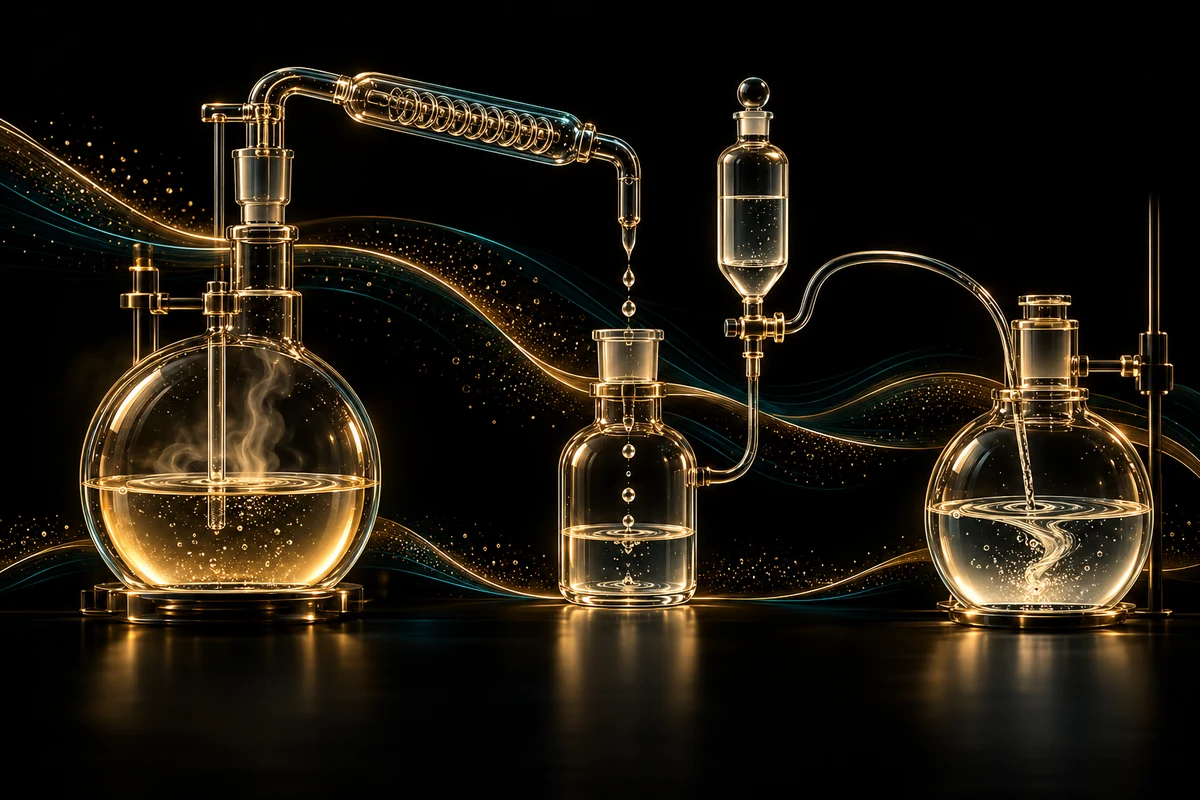
A workable starting solution and a promising final mixture still leave an important development question: how does the process move between them? A solvent exchange, or solvent swap, replaces the liquid used in one step with a system suited to the next. During this transition or a concentration step, liquid composition and the amount of material held in solution can change. The intermediate conditions deserve attention alongside the intended endpoint.
SolveX can help frame comparisons between distillation, partial solvent removal, replacement with another solvent and staged antisolvent addition. An antisolvent lowers the compound’s solubility in the mixture, making its addition profile relevant to when and where solids appear. The study considers the order of operations, the solvent carried into the next stage and where experimental observations are needed. A route that looks attractive at its final composition must also be practical to prepare and transfer.
The evidence plan can therefore include measured composition, material remaining in solution and observations of when solids appear along the proposed sequence. These observations help teams assess process viability, refine the transition and define the next experiment. The aim is a defensible route into recovery or crystallization, with the assumptions and confirmation work visible before development advances.

BUILD THE RECOVERY ROUTE
Yield targets become more meaningful when considered with the proposed recovery sequence. SolveX can bring preliminary crystallization observations, the chosen solvent composition and the intended recovery target into the same assessment. Material still dissolved in the mother liquor—the liquid remaining around the crystals—contributes to the recovery balance alongside the amount isolated. This context helps focus the comparison of solvent changes and follow-up experiments.
The outcome is a focused set of systems and routes for verification, with the assumptions and remaining development questions made clear. Evidence can then inform the next discussion about crystallization, solvent carryover and downstream isolation. Recovery or yield expectations remain conditional on the molecule, route and experimental results.
When crystal habit, particle-size distribution and crystallization conditions become the main development task, CrystallicX provides the independent specialist platform. SolveX supplies the solvent-system context; CrystallicX develops the subsequent crystallization and particle-engineering question.
Continue into CrystallicXFROM QUESTION TO NEXT EXPERIMENT
The scope follows the molecule, the evidence available and the next decision your team needs to make.
TAILORED SCIENTIFIC SYSTEMS
SolveX can be delivered as a tailored standalone system, an optimized scientific workflow, or an automated capability integrated with an existing development environment. The design reflects your process, data and operating needs, from a focused study to repeatable use across related development questions.
The platform draws on proprietary ADETERA mathematical models and scientific methods. Those methods are commercial intellectual property; the public site describes the decisions they support and the evidence needed to use the results.
QUESTIONS ABOUT SOLVEX
Yes. The scope can include multi-solvent systems, distillation or solvent-exchange steps, antisolvent routes and combinations. The comparison is tailored to the molecule, process sequence and development objectives.
The decision considers several criteria. Dissolution needs are weighed alongside solvent interactions, recovery targets, removal or exchange requirements, preliminary crystallization evidence and downstream process constraints.
A solvate is a crystalline form that incorporates solvent within its structure. SolveX can support the investigation of gentler compatible systems and alternative mixtures, and help focus the comparison and confirmation work. Solvate behavior and solid-form suitability require experimental characterization.
No. A yield target helps shape the study and the candidate recovery routes. Achievable recovery depends on the molecule, process conditions and experimental evidence, so proposed systems need verification.
SolveX addresses the solvent-system and process-route decision, including preliminary crystallization behavior. CrystallicX is the independent platform for developing crystallization conditions, crystal habit and particle-size objectives, with the relevant solvent evidence carried forward.
Solubility screening examines how much of a compound dissolves under specified conditions. Solvent selection uses that evidence alongside the demands of the process. A useful comparison states the temperature, mixture composition and solid form involved, then asks whether the candidate supports the planned concentration, exchange and recovery steps. SolveX connects those questions in a focused development study.
An antisolvent lowers the compound’s solubility when added to the starting solution. Its value depends on the mixed-solvent system and the addition path. The study examines candidate compositions, the sequence of addition and observations of when solids appear. Those findings help define the follow-up crystallization work: how the material forms, how much remains dissolved and whether the resulting solids suit isolation.
A solvent swap replaces the liquid used in one process step with a system suited to the next. The assessment considers the starting and target compositions, the proposed removal and replacement sequence, solvent carryover and the compound’s behavior along that path. Distillation-based routes also need process-specific evidence that the intended transition is practical within the available operating conditions.
Useful starting information includes the compound and known solid form, solvents already tested, mixture compositions, temperature-dependent observations and the intended process sequence. Recovery targets, solvent constraints and previous difficulties help define the decision. Incomplete data can still support an initial assessment, with missing evidence turned into a prioritized experimental plan and assumptions kept visible.
ADETERA can shape the delivery as a standalone system, an optimized workflow, or an automated and integrated capability. The discussion starts with the scientific decision, the available data and how your team will use the result.
START A SCIENTIFIC CONVERSATION
Tell us about your molecule, process route, solvent constraints and the recovery decision you need to make.